Catalyst 2012
Officially licensed FIRST Robotics simulation. Students designed and drove physically simulated robots in 3v3 matches that mirrored the 2012 competition, reaching over 250,000 players on PC and Xbox 360.
Project Overview
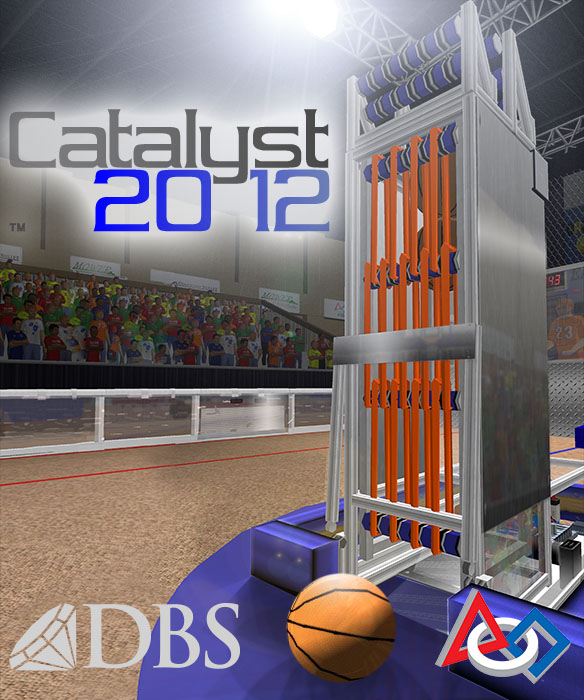
Catalyst 2012 was an officially licensed FIRST Robotics title that let students design and drive robots through a real-time physics simulation of that season's competition. Motors, torque, drivetrains, and field-element interactions such as the tipping bridges were simulated with the BEPU Physics library, and PC matches ran 3v3, as in the real event. I led development and worked directly with FIRST on the release, which was provided free to over 250,000 players.
Built with FIRST
Developed in official partnership with FIRST leadership.
900+ Robot Configurations
Drivetrains, manipulators, and shooters combine, each changing the robot's simulated physics and controls.
3v3 Match Format
Six-robot matches on PC mirrored the real competition; Xbox 360 supported 4 local players.
Driver Practice
Unlimited driving practice for teams without a second practice robot.
Key Features
The simulation, robot modeling, and match systems that made Catalyst 2012 useful as an engineering and training tool.
Real-Time Physics Simulation
Used the BEPU Physics library to simulate robot mechanics in real time, including motors, torque, and interactions with field elements such as the tipping bridges.
Modular Robot Designer
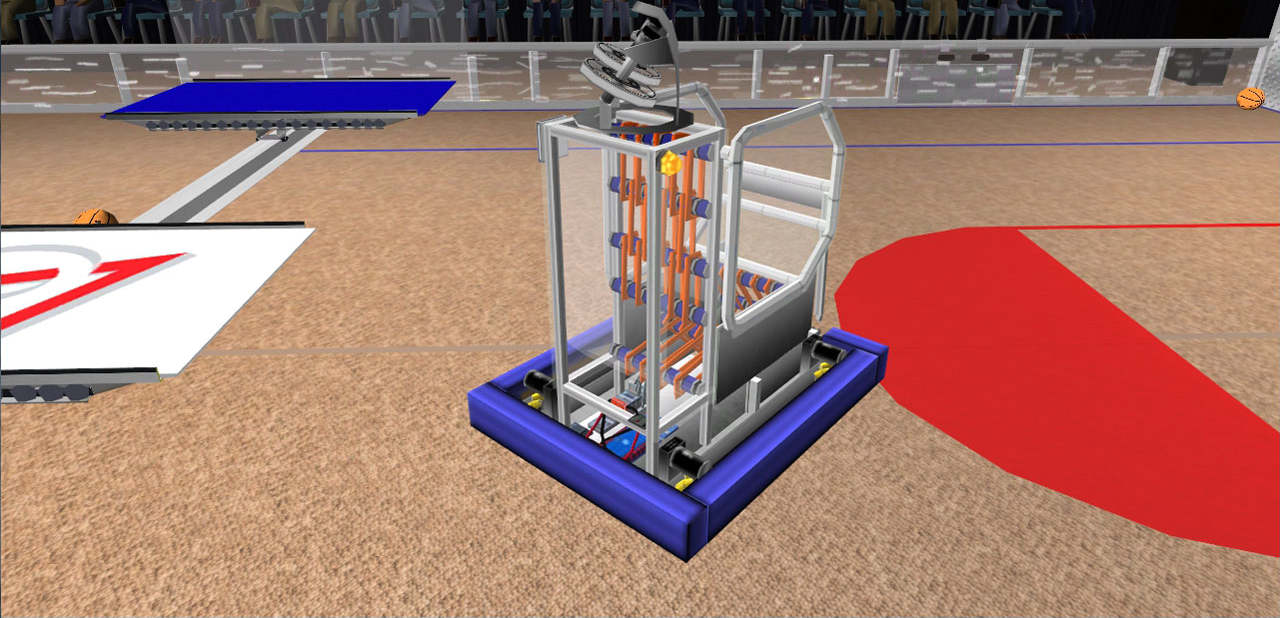
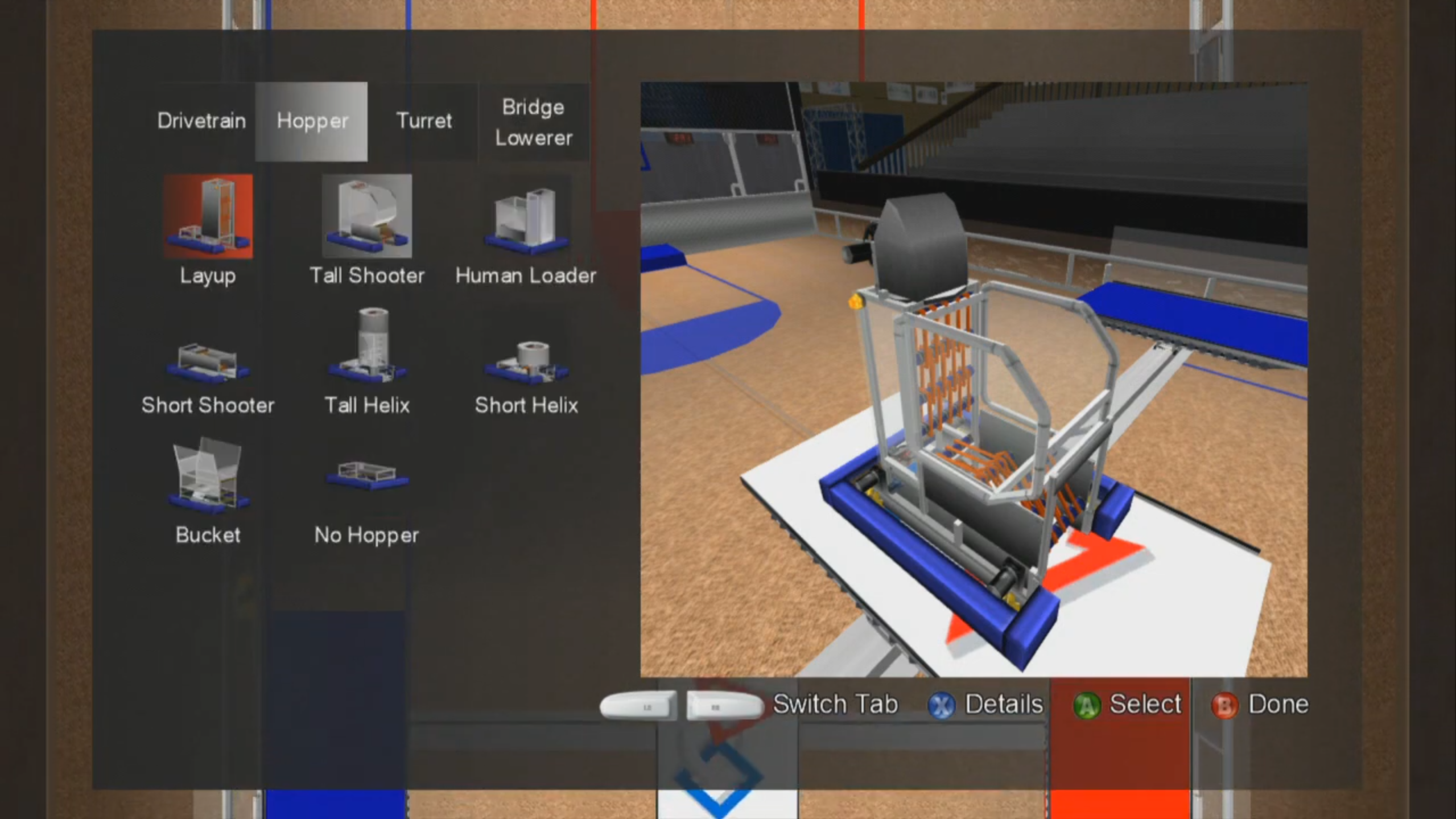
An in-game designer let teams combine drivetrains (skid-steer, mecanum, swerve), manipulators, and shooters, each with its own physics properties and controls.
Competition-Format Matches
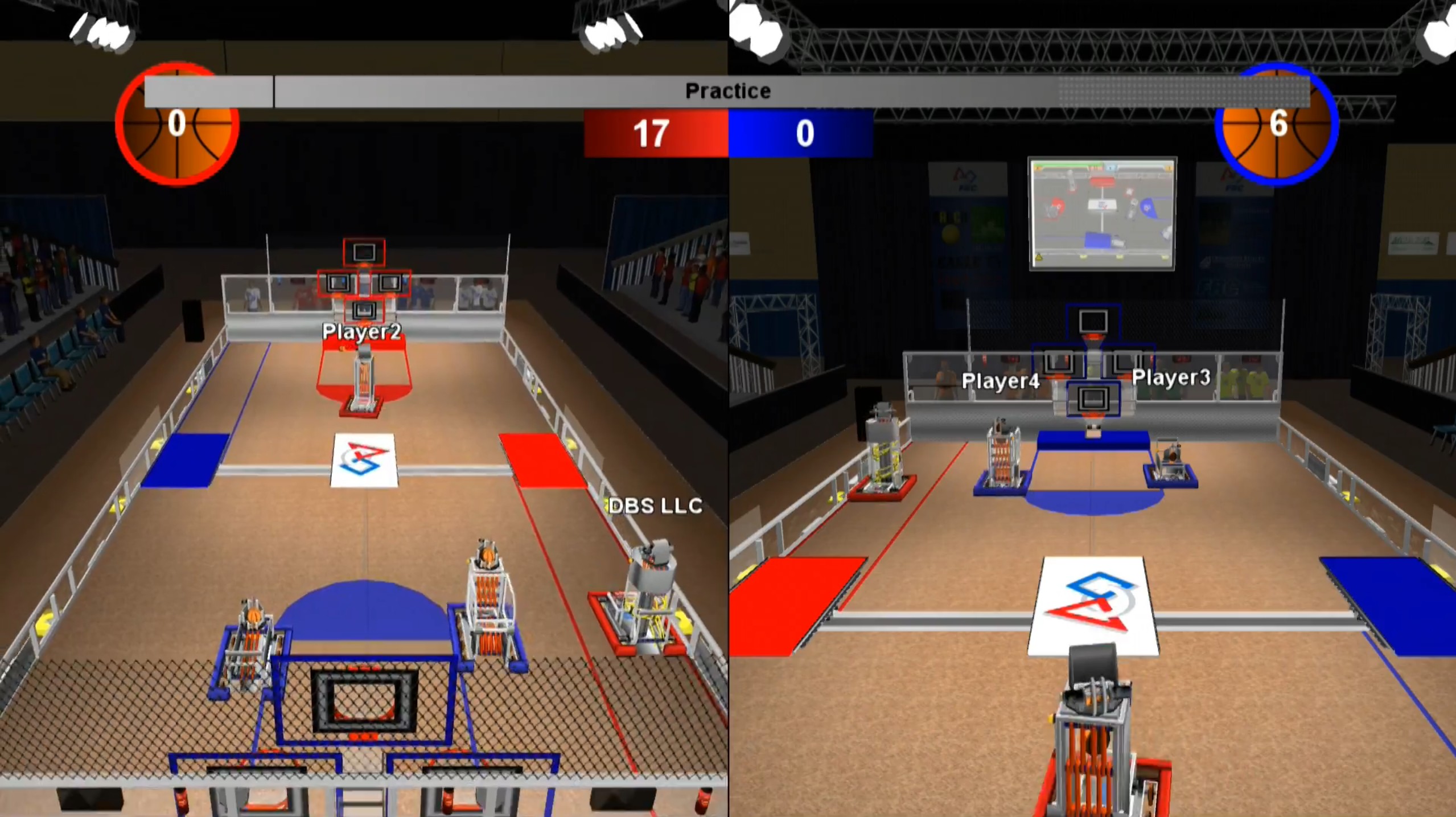
The PC version ran 6-robot (3v3) matches that mirrored the real competition, while the Xbox 360 version supported 4 players on a single console.
Project Gallery
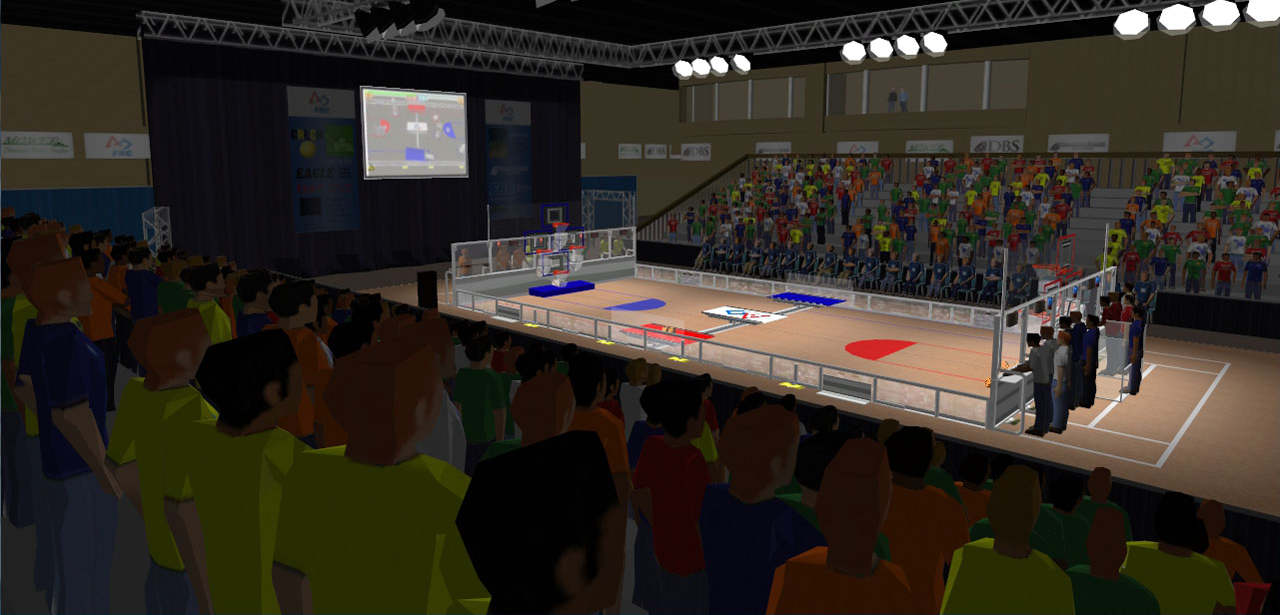
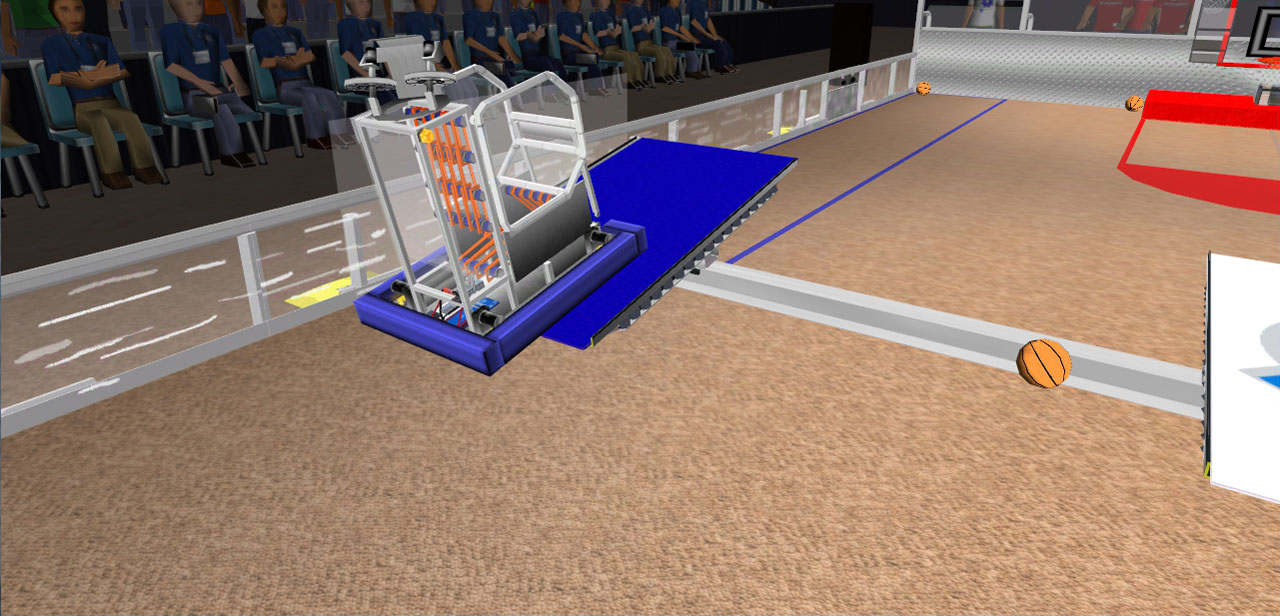
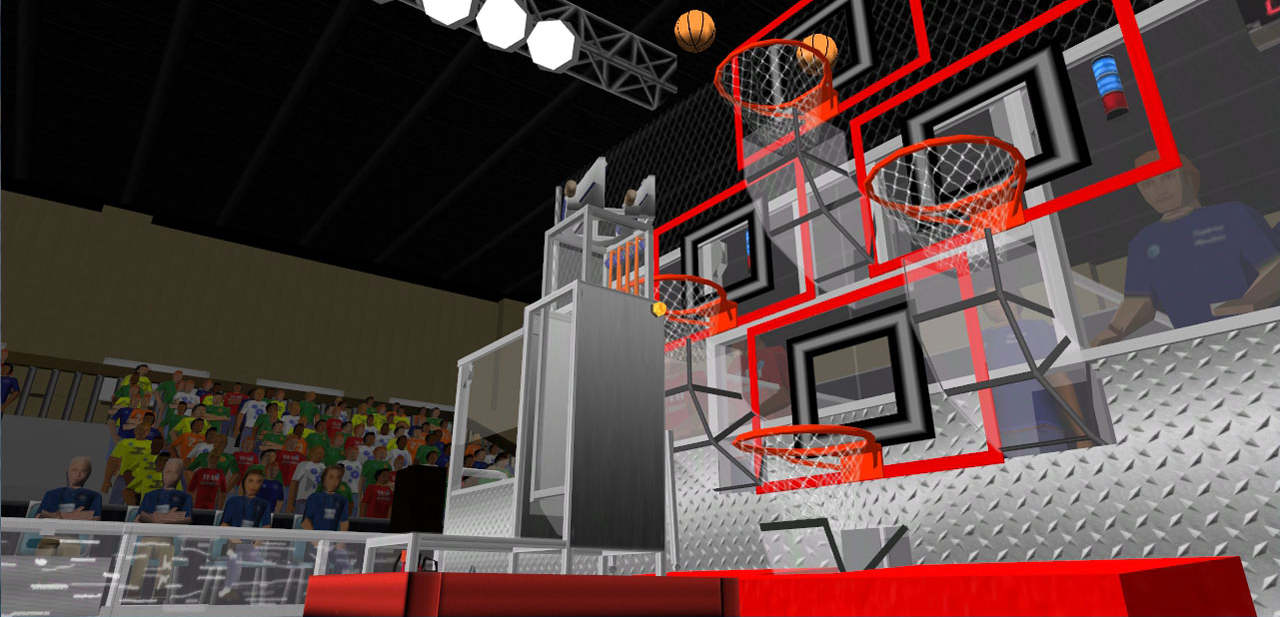
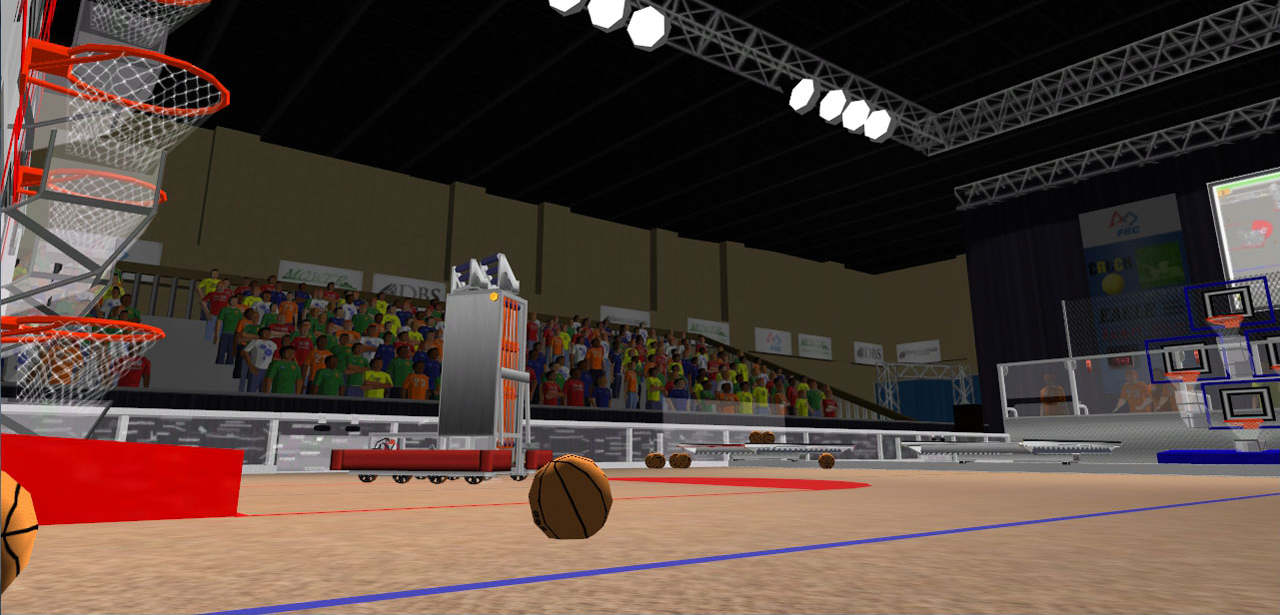
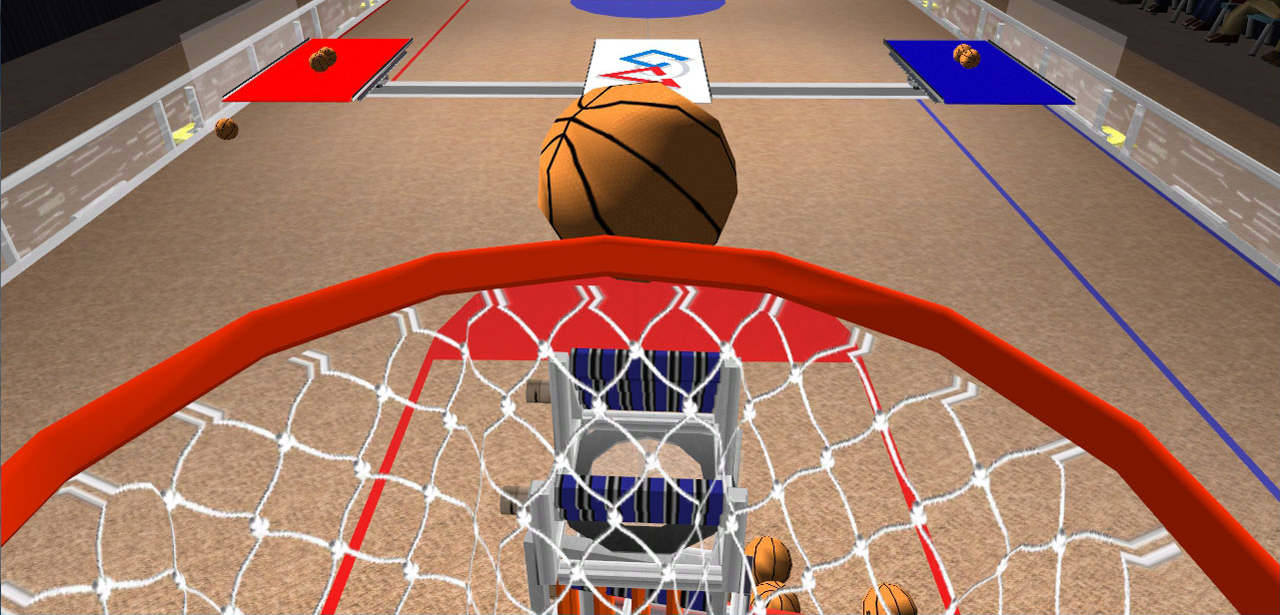
The simulated field, robots, and matches, captured from the Xbox 360 version.
Featured Videos
Development Process
From initial concept to final delivery - a structured approach to building great software
Prototype Sprint
Step 1A one-week solo sprint to build a working simulation of our team's FRC robot.
Built over spring break; the prototype replicated the robot's mechanics and controls for driver practice.
Partnership with FIRST
Step 2Presented the prototype to FIRST leadership, leading to an official partnership and collaboration on the upcoming season's game design.
A five-minute demo led to the official partnership.
PC 'Team Edition' Production
Step 3Built the free PC version around three requirements: accurate physics, a modular robot designer, and 3v3 matches in the real competition format.
Physics simulation, robot designer, and multiplayer, built in C# on Microsoft XNA and BEPU Physics.
Launch & Support
Step 4Released alongside the FRC season kickoff, followed by weeks of fixes and updates driven by feedback from teams.
Supported 250,000+ players through launch and the updates that followed.
Xbox 360 Port
Step 5Rebuilt the UI for controller input, adapted matches for 4-player local play, and passed Xbox 360 certification.
Controller-driven, resolution-independent UI and the console certification process.
Key Decisions
- Built the prototype over spring break to prove the concept quickly.
- Partnered officially with FIRST for accuracy and reach.
- Moved Xbox multiplayer to local play instead of synchronizing multi-body physics over the network.
Timeline
Challenges & Solutions
Technical hurdles overcome and innovative solutions implemented during development
Challenge
Synchronizing a multi-body physics simulation of 6 robots across high-latency internet connections could not be made reliable enough for online multiplayer.
Solution
We dropped online multiplayer in favor of 4 players on a single console, which removed network synchronization of the physics entirely.
Challenge
The PC UI was static, mouse-driven, and fixed-resolution, which didn't work on a TV navigated with a controller.
Solution
Rebuilt the UI system to be resolution-independent and fully gamepad-driven for the Xbox 360 release.
Challenge
Supporting more than 250,000 players after a high-profile launch, including 1,000+ support emails in the first 24 hours.
Solution
Prioritized fast responses to feedback, shipped several updates and fixes in the following weeks, and treated user support as a core project requirement.
Technical Deep Dive
Physics Networking
Synchronizing multi-body physics across network connections.
UI Scalability
Resolution-independent interface design for multiple platforms.
Launch Support
Handling feedback from 250,000+ players.
Behind the Scenes
Catalyst 2012 went from a one-week prototype built for one team's drivers to an officially partnered simulation provided to 250,000+ players.
Key Moments
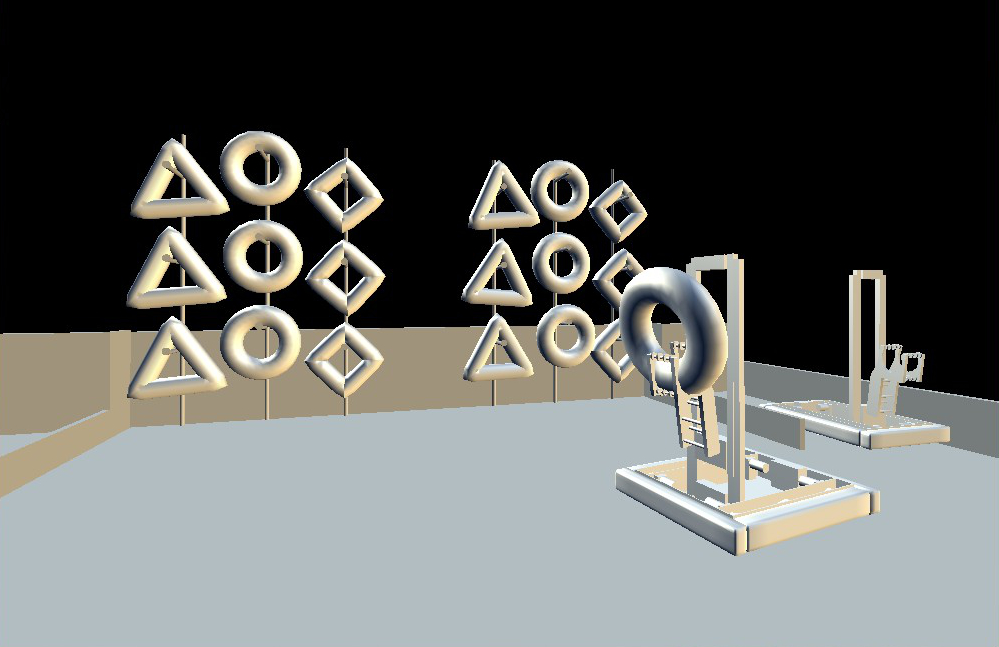
The Prototype Sprint
I built the first prototype in one week in a college dorm room, simulating our team's robot so our drivers could practice.
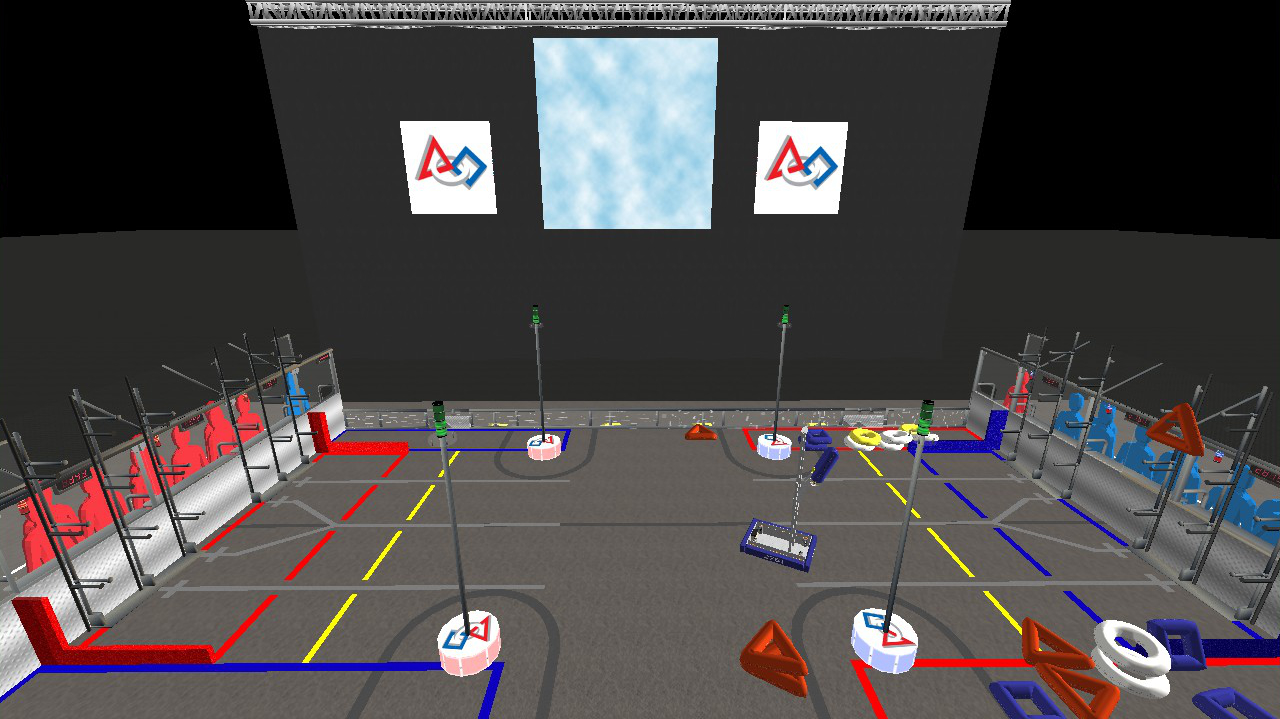
The 5-Minute Pitch
A five-minute demo to FIRST leadership became an official partnership and set up the full release.
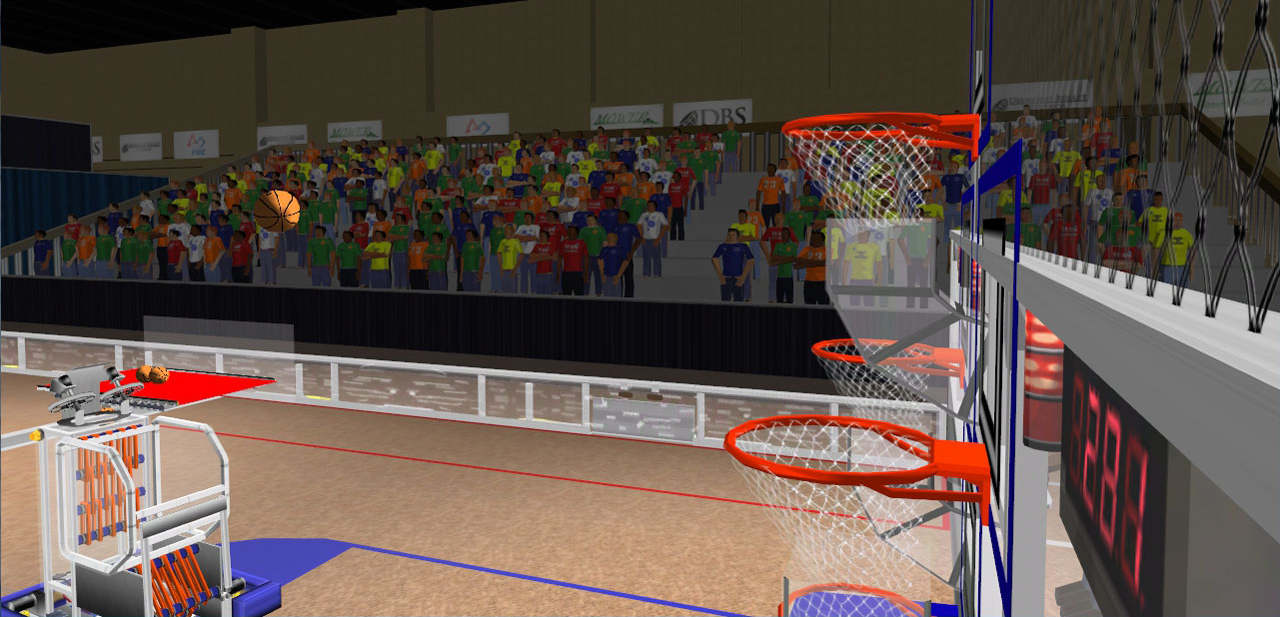
Launch Day
The simulation released alongside the FRC season kickoff and immediately became a major topic on the community forums.
Personal Reflection
"The key lesson was managing the expectations of a community that depended on the tool. Knowing thousands of teams were counting on us taught me that solving the engineering, art, and business challenges can be all for naught if you neglect the people using it."
Fun Development Facts
Official FIRST referees used the game to train themselves on making difficult calls by setting up specific in-game scenarios.
The project started because a high school robotics team's drivers needed more practice time before competition.
We prototyped confidential, in-development competition concepts for the FIRST Game Design Committee, building them in the simulation for testing and analysis.
Interested in working together?
Let's discuss your next project and bring your vision to life
Get In Touch