Catalyst
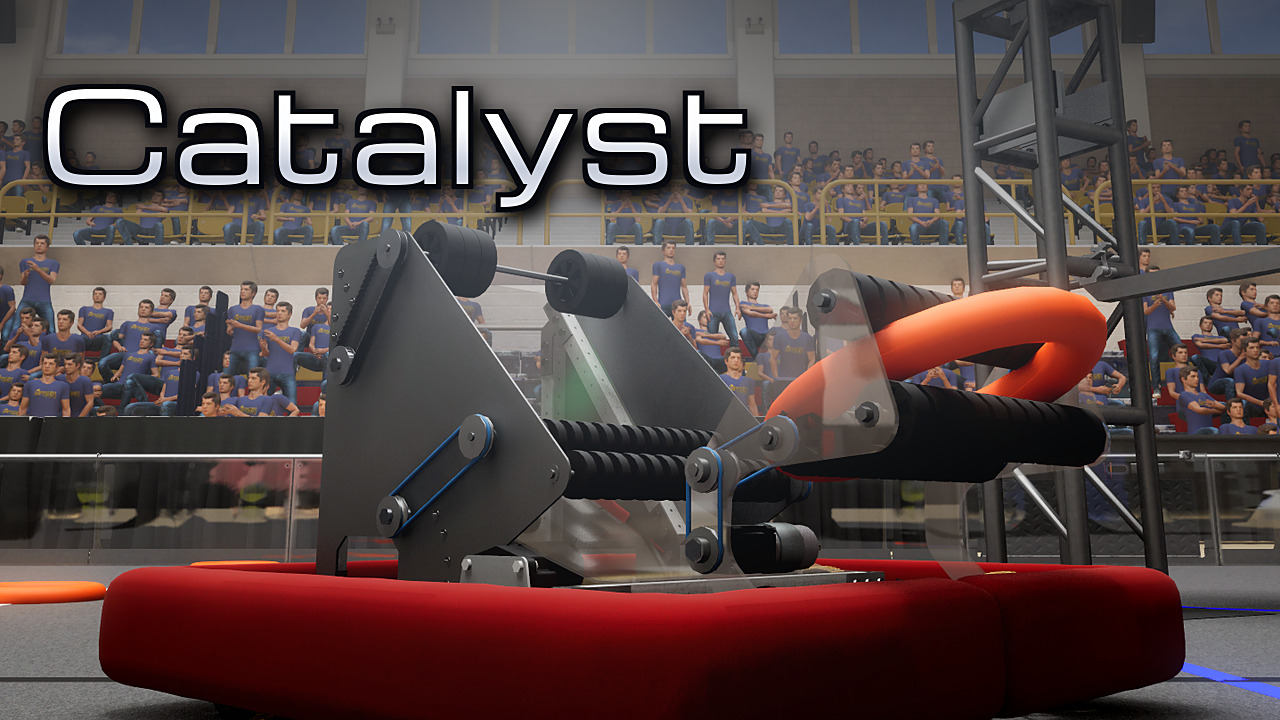
Solo-developed successor to Catalyst 2012: a real-time robotics simulation in Unreal Engine 5, with competition fields built procedurally in Houdini.
Project Overview
The project is currently in the prototyping and tool-building stage. The primary focus is on developing the core procedural asset pipeline, which is the foundational technology that will unlock the ability to build out the rest of this ambitious vision.
Unreal Engine 5
Built from the ground up in UE5 for excellent visual standards.
Custom Bullet Physics
Custom integration of Bullet physics engine for granular control.
Authoritative Multiplayer
Fully authoritative online multiplayer with physics re-simulation.
Procedural Houdini Pipeline
Robust tech art pipeline for procedural content generation.
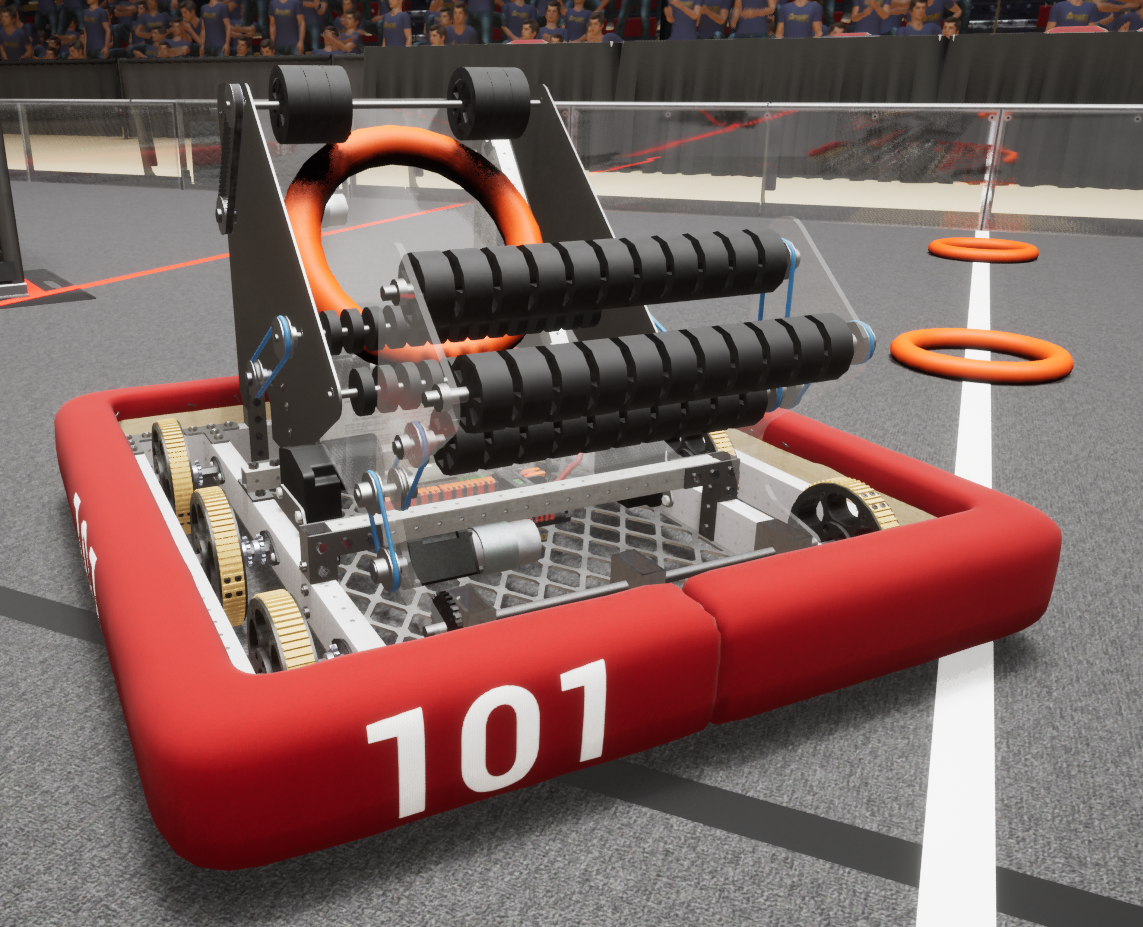
Project Gallery
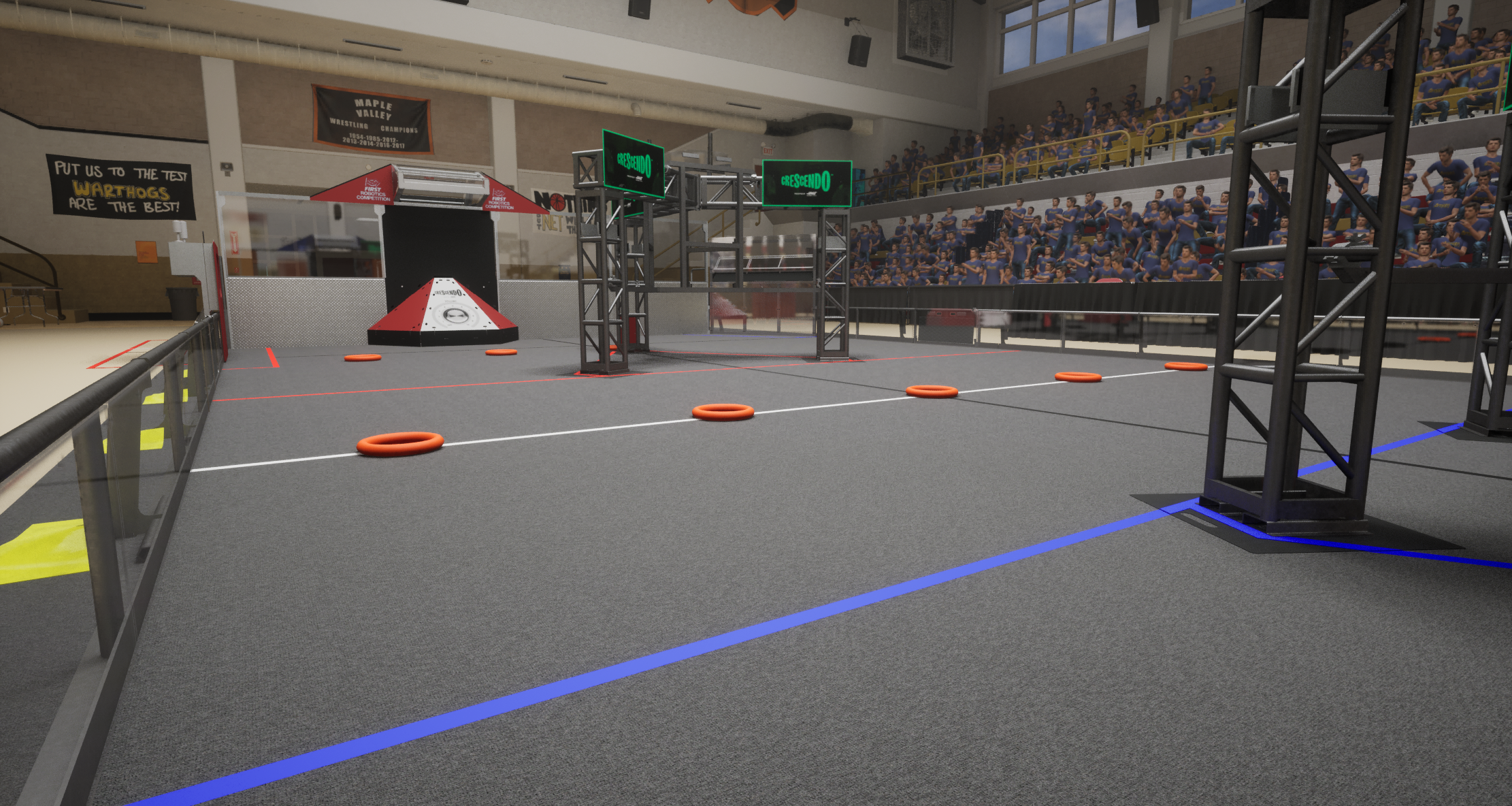
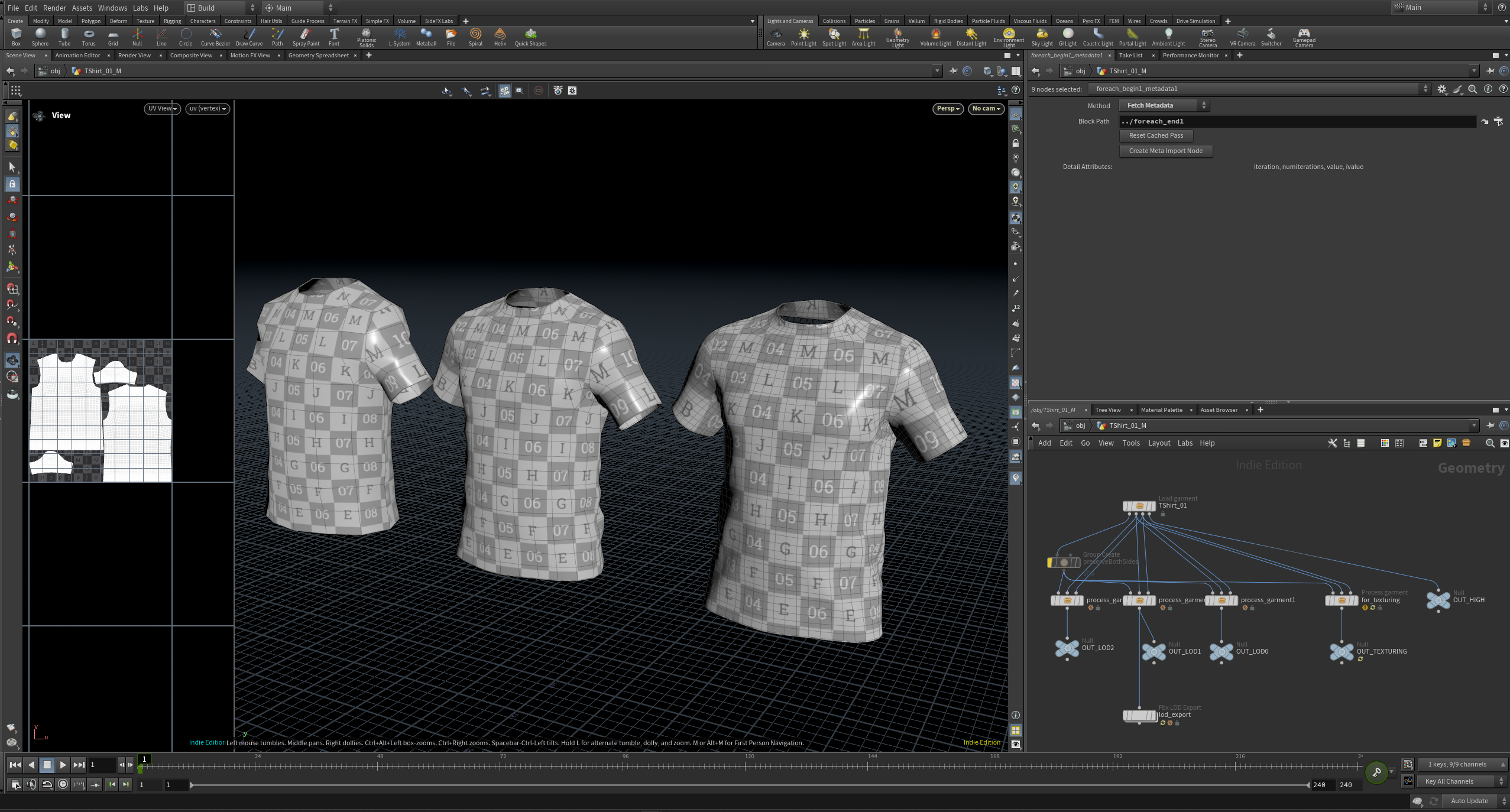
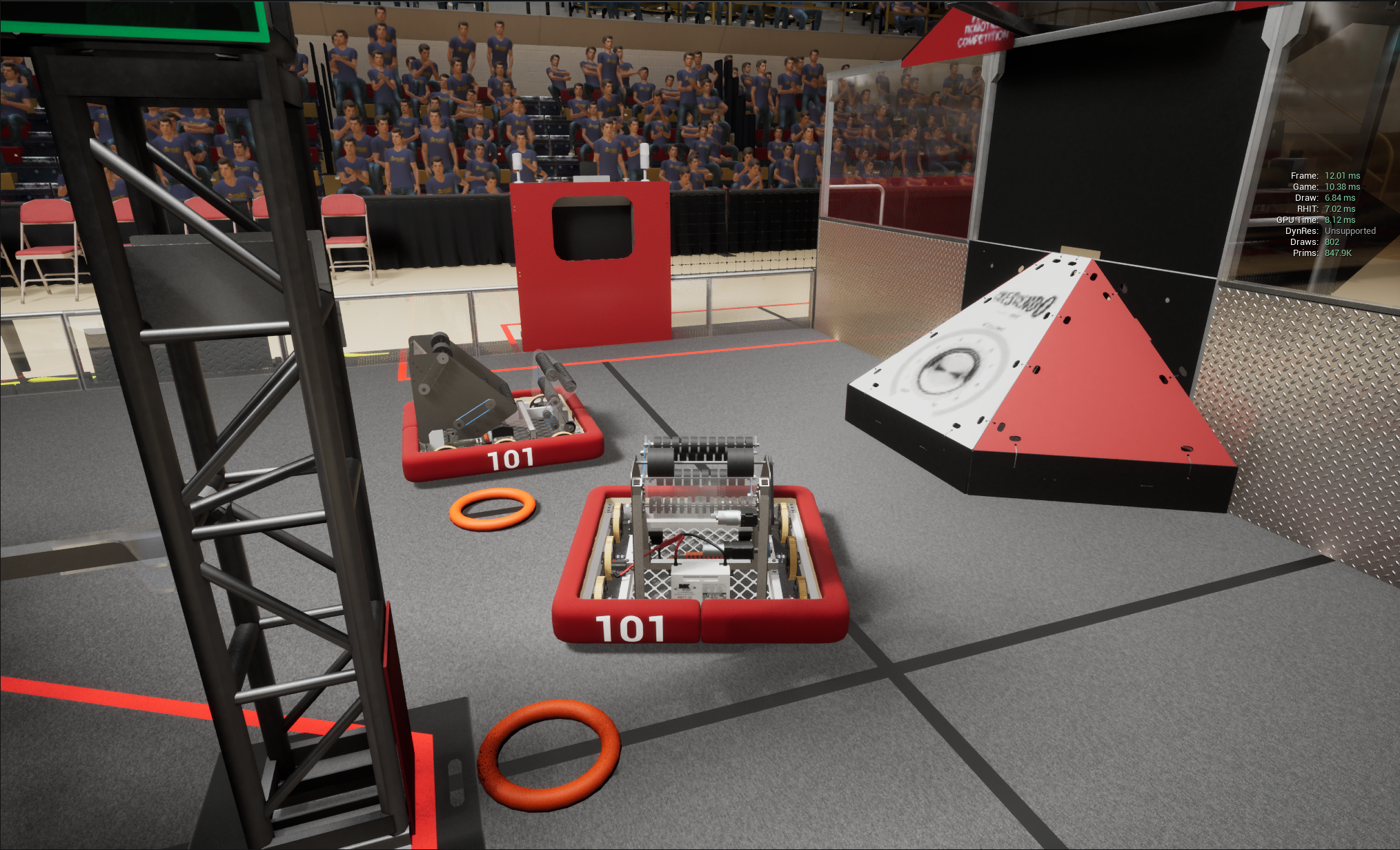
Development gallery - more images will be added as the project progresses.
Technology Stack
Cutting-edge technologies and tools used to bring this project to life
Game Tech
Traditional DCC Tools
Procedural Generation Tools
Technical Highlights
Custom Physics Engine
Integrated Bullet Physics for authoritative multiplayer simulation
Procedural Pipeline
Houdini-based system for generating high-quality robot parts
Challenges & Solutions
Technical hurdles overcome and innovative solutions implemented during development
Challenge
The original game lacked a reliable online multiplayer system, making fair competitive play impossible. Standard engine physics are often insufficient for deterministic, server-authoritative simulations.
Solution
A custom integration of the Bullet Physics engine within Unreal Engine 5 provides the granular control needed for a fully authoritative online multiplayer architecture with client-side physics re-simulation.
Challenge
Creating the vast number of high-quality assets required for a modern game is a significant bottleneck for a single person. Manual creation would make the project's scope unfeasible.
Solution
A powerful tech art pipeline in Houdini procedurally generates detailed, high-quality robot parts from basic building blocks, automating repetitive artistic tasks and drastically accelerating asset creation.
Challenge
As a solo developer, achieving AAA visual quality while maintaining development speed requires unprecedented automation and tool sophistication to compete with full studio teams.
Solution
Custom tech art tools in Houdini provide artistic control over procedural generation, removing repetitive artistic requirements from the workflow and enabling rapid iteration at professional quality standards.
Challenge
Achieving fast, near-seamless updates to character clothing designs across multiple software packages traditionally involves manual export/import processes that break development flow.
Solution
Automated pipeline integration eliminates manual steps between Marvelous Designer, Houdini, Substance, and Unreal Engine, enabling real-time iteration on character designs.
Technical Deep Dive
Networking Physics
The server updates its simulation once per frame and tells the clients the authoritative state of the world at that frame. The clients rewind their simulation to the server's frame, reset the world to the authoritative state, and resimulate all frames necessary to catch up to where they were. This ensures that all clients see the same simulation results as the server, preventing desynchronization and granting all users immediate control without any latency.
Bullet + Chaos
Bullet ensures that gameplay critical physics elements are updated deterministically across all clients. Chaos is used for visual effects and non-gameplay critical physics like when a gamepiece exits the field, or a robot's secondary physics motion like swinging cables.
Procedural Geometry Assets
Houdini allows for the creation of complex procedural assets that can be easily modified and iterated upon. By defining rules and parameters, a wide variety of robot parts can be generated from a single base design, significantly reducing the time and effort required to produce high-quality assets. This approach ensures artistic control while automating repetitive tasks, enabling rapid iteration and professional quality standards.
Procedural Texture Assets
Substance Painter and Instamat are used to create procedural materials and textures that can be applied to the generated robot parts. This allows for a high degree of customization and variation, ensuring that each robot feels unique while maintaining a consistent visual style.
Behind the Scenes
A solo developer's journey to create an ambitious robotics game using cutting-edge technology and procedural workflows.
Key Moments
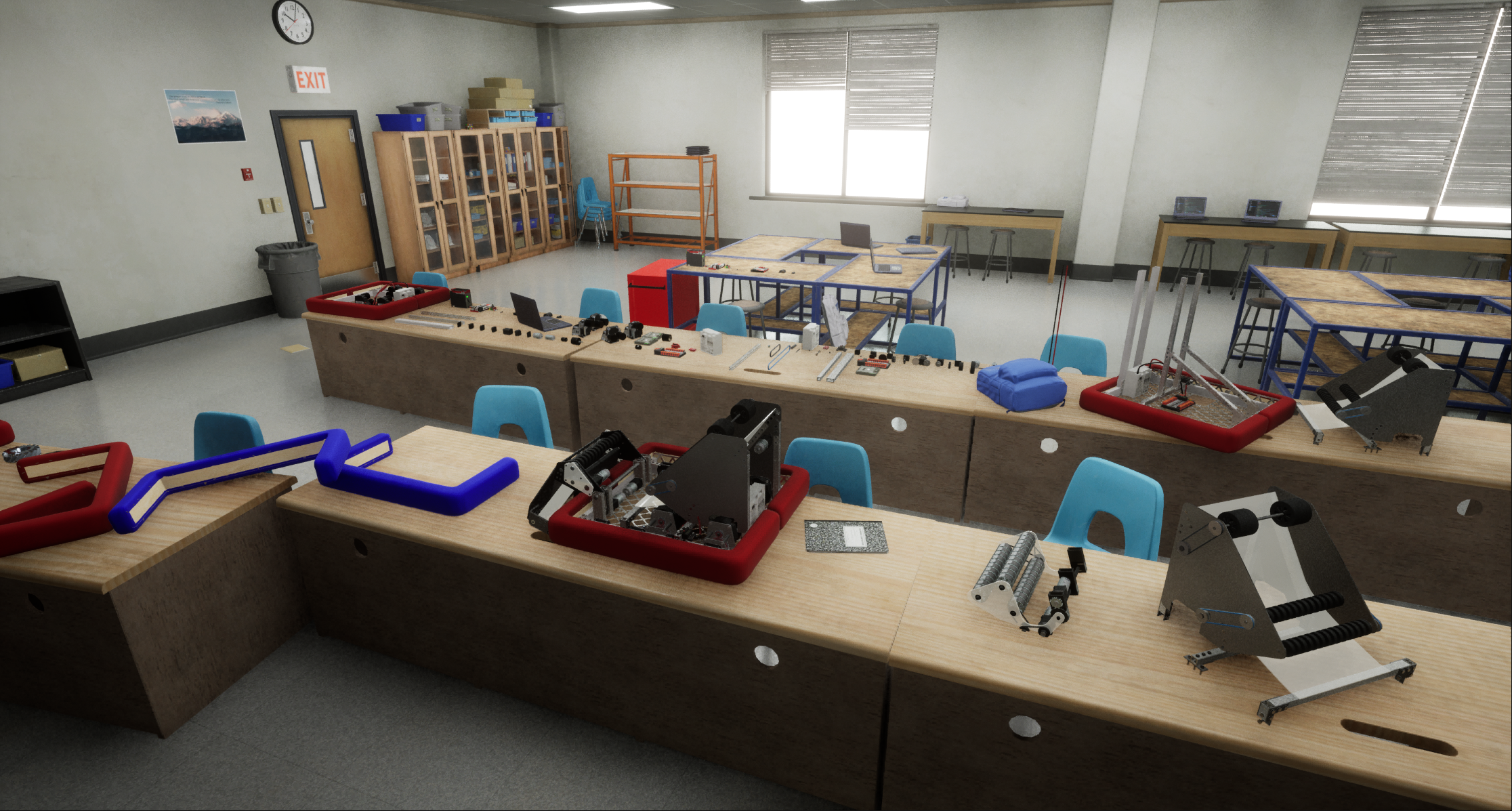
Graphics and Performance Lookdev
Explored various rendering techniques, including testing purchased assets to quickly iterate on visual standards, and optimized performance to find a balance of quality and framerate.
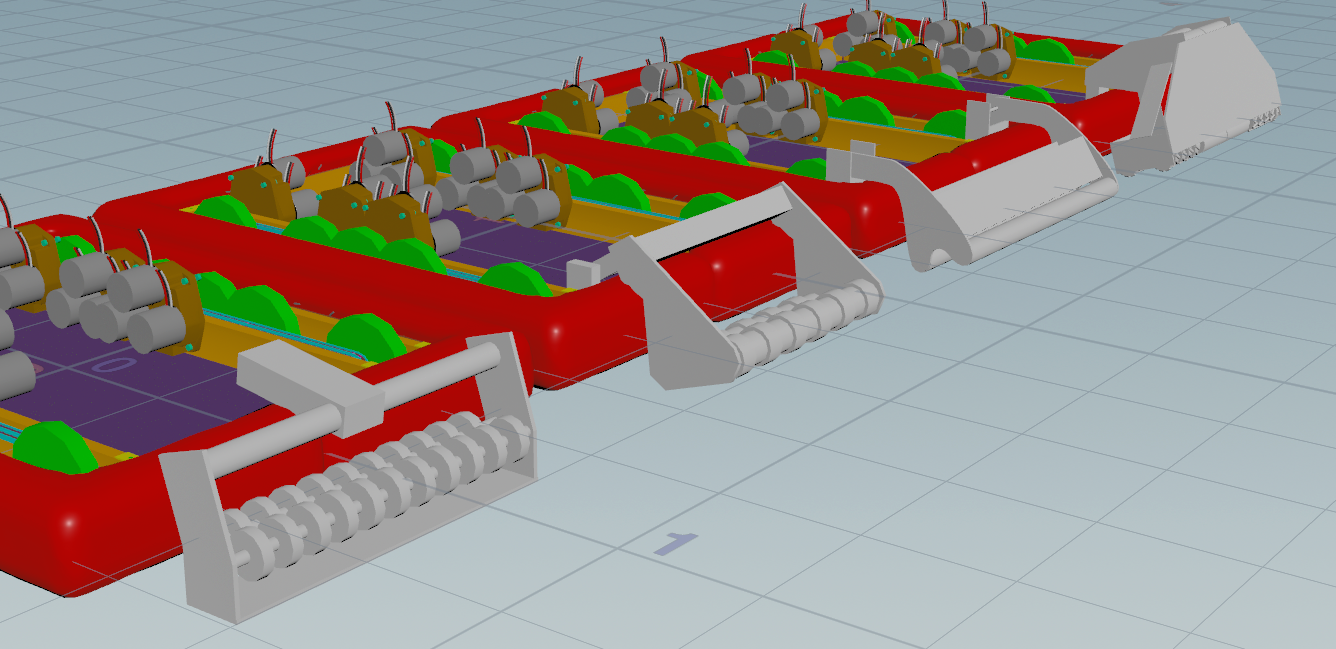
Prototype Robot Configurations
sketched out various robot part configurations to ensure true mix and match capabilities with minimal clipping and maximum variety.
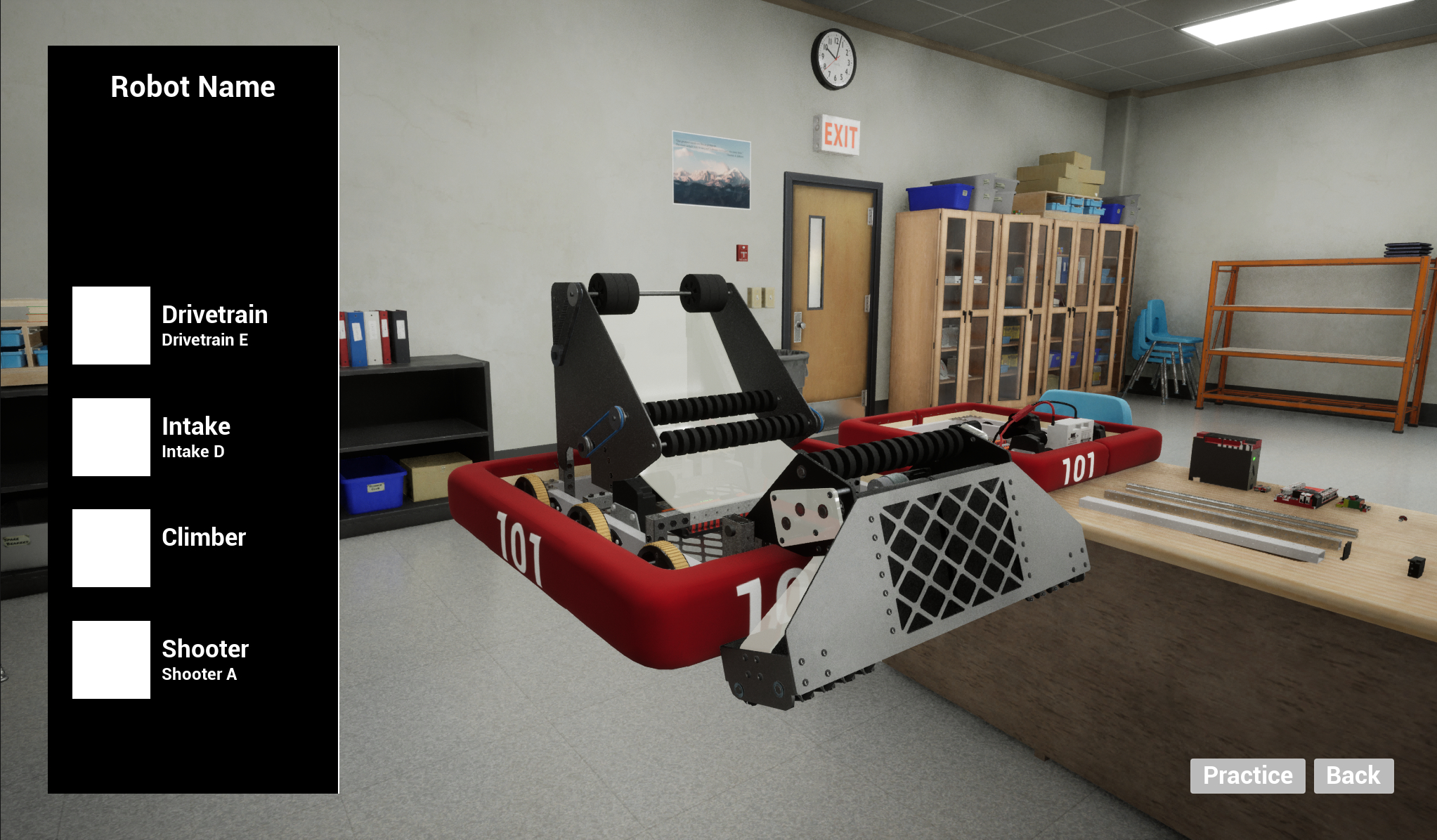
Editable Robot Tests
Prototyped the procedural robot part generation pipeline in Houdini, and consumed the editable robot parts at runtime in Unreal Engine.
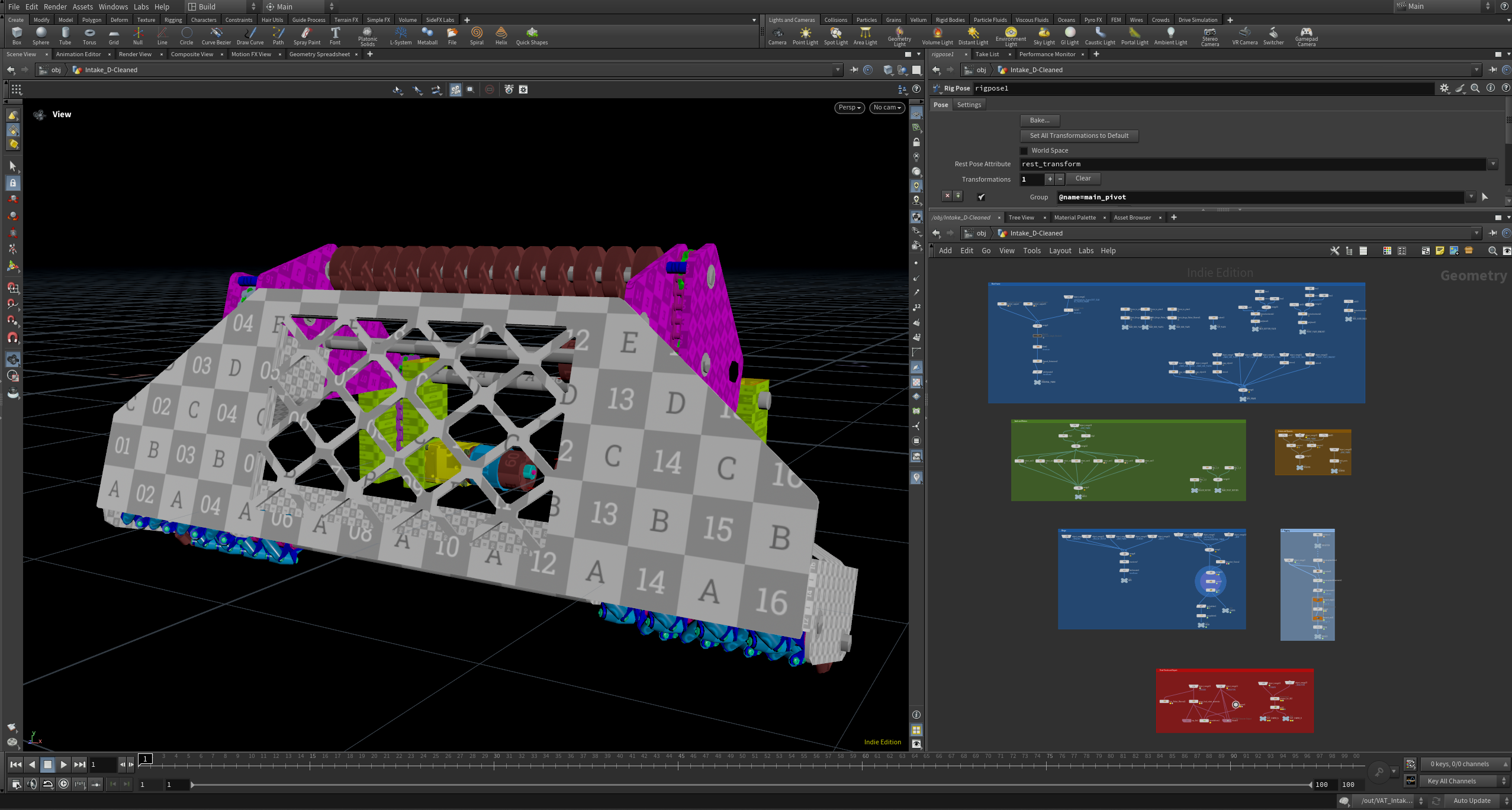
Robot Part Pipeline
Finalized another pass of Houdini tools for procedural robot part generation.
Personal Reflection
"This project is a huge personal challenge, driven by a passion for robotics and the desire to build something of a far greater quality, and far faster, by myself. It's about leveraging modern tools to make an ambitious vision achievable for a solo developer and create something that can positively impact the robotics community."
Fun Development Facts
The project is a spiritual successor to a game first conceptualized and built in 2012.
The game aims to inspire a new generation to get involved with the FIRST Robotics Competition.
Procedural generation allows one person to create content that would typically require an entire art team.
Interested in working together?
Let's discuss your next project and bring your vision to life
Get In Touch